
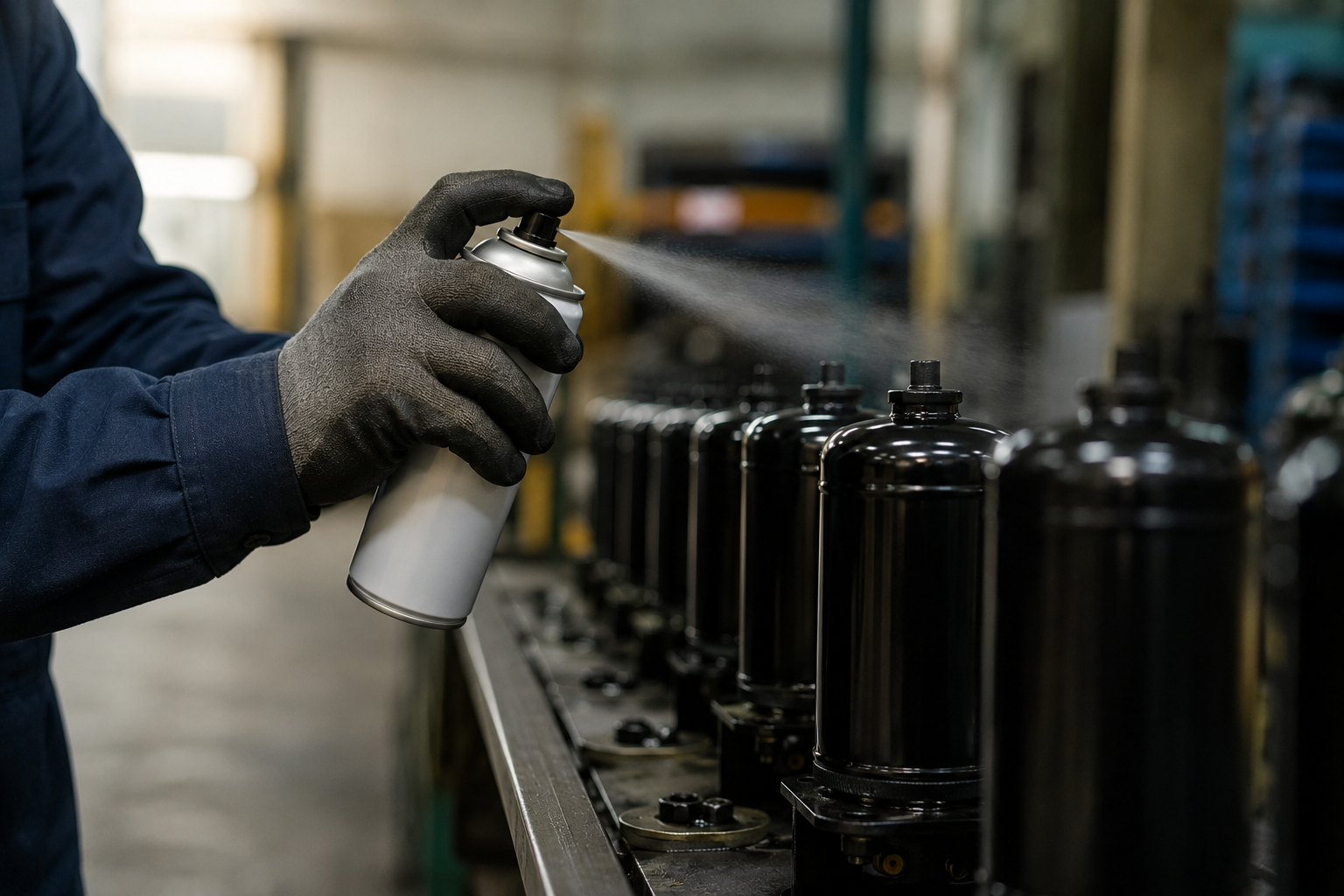
From workshops to factories, aerosol products have become a practical part of modern work. Aerosol spray makes it easier to apply coatings, cleaners, lubricants, paints, and other products quickly and evenly.
But what makes this format so popular across different industries? The answer lies in its convenience, controlled application, portability, and wide range of uses. In this guide, you will learn why businesses choose aerosol products, how to use them effectively, common mistakes to avoid, and where to find reliable safety information.
Why Is Aerosol Spray So Popular Across Industries?
An aerosol is a pressurized container designed to release its contents as a spray, foam, paste, powder, liquid, or gas. OSHA defines aerosols as non-refillable containers that use pressure to dispense their contents. This simple design offers an important advantage: users can apply a product without needing separate brushes, pumps, or application tools. As a result, aerosol products are useful in manufacturing, automotive work, maintenance, construction, cleaning, and many other fields.
A major reason for their popularity is easy application. A spray can cover a surface quickly and can help create a more consistent layer when used correctly. This is especially useful for products such as paint, protective coatings, lubricants, cleaners, and maintenance solutions. Portability is another key benefit. Most aerosol containers are compact and easy to move between work areas. A technician can carry the product directly to the job instead of transferring a liquid into another container.
Aerosol products can also reduce product waste when the spray pattern is well controlled. Instead of pouring a liquid onto a surface, users can direct the product toward a specific area. However, proper technique is still important because overspray can create unnecessary waste.
Top Benefits of Using Aerosol Spray
1. Fast and Convenient Application
Time matters in industrial and commercial work. Aerosol products can help workers complete small applications quickly without setting up complicated equipment.
For example, a maintenance technician may need to lubricate a small moving part. A suitable aerosol lubricant can provide targeted application without requiring a separate brush or container.
2. Better Control
Many aerosol cans are designed to provide a controlled spray pattern. This can make it easier to apply a product across small or difficult-to-reach areas.
However, users should always follow the product label. Spray distance, application time, and recommended surface conditions can vary between formulations.
3. Easy Storage and Handling
Aerosol containers are convenient for workplaces that need ready-to-use products. Their sealed design can also help protect the contents from contamination during normal storage.
Still, convenience should never replace proper storage practices. Some aerosol products are flammable or pressurized, so they should be stored according to the manufacturer's instructions and applicable workplace requirements.
4. Wide Range of Industrial Uses
One of the strongest advantages of aerosol spray is its versatility. Different formulations can serve very different purposes.
Common applications include:
Surface cleaning
Rust prevention
Metal lubrication
Paint and touch-up work
Electrical maintenance
Protective coatings
Adhesive application
Equipment maintenance
Automotive care
General-purpose cleaning
Because formulations differ, selecting the right product for the job is essential.
5. Useful for Hard-to-Reach Areas
Some equipment contains narrow spaces, joints, hinges, and other areas that are difficult to reach with traditional application methods. A spray nozzle can make targeted application easier.
Extension tubes or specialized nozzles can provide additional control for certain products. Users should choose accessories recommended by the manufacturer rather than modifying the container.
How to Use Aerosol Products Effectively
Using an aerosol product correctly is just as important as selecting the right one. First, read the product label and safety instructions before spraying. Next, check whether the product is suitable for the intended surface. Test a small, less visible area when compatibility is uncertain.
Shake the container if the manufacturer instructs you to do so. Hold the can at the recommended distance and use short, controlled movements rather than spraying continuously in one spot. Good ventilation is also important. OSHA notes that spray operations can involve physical and health hazards, including exposure to vapors, mists, and flammable materials.
For industrial spraying, additional controls may be necessary. Depending on the material and operation, these can include suitable ventilation, protective equipment, spray booths, and proper work procedures.
Common Mistakes to Avoid
Spraying Near Ignition Sources
Some aerosol products contain flammable components. Never assume that every aerosol is non-flammable. Check the label and safety data sheet before use.
Quick fix: Keep products away from flames, sparks, hot surfaces, and other ignition sources when required.
Ignoring Ventilation
Spraying in a poorly ventilated area can increase exposure to vapors or airborne particles.
Quick fix: Follow the product instructions and use suitable ventilation or engineering controls for the application.
Using the Wrong Product
A cleaner, lubricant, paint, or coating designed for one application may damage another surface.
Quick fix: Check the technical information and surface compatibility before application.
Storing Containers Incorrectly
Aerosol containers are pressurized. Excessive heat and poor storage conditions can create additional risks.
Quick fix: Follow the manufacturer's storage instructions and workplace safety requirements.
Where to Find Reliable Aerosol Information
Product labels and Safety Data Sheets are among the most useful resources for understanding an aerosol product. They can provide information about hazards, handling, storage, personal protective equipment, and emergency measures. For workplace safety, OSHA provides guidance on spray operations, ventilation, personal protective equipment, and hazardous materials.
Environmental requirements are also evolving. For example, the U.S. EPA has updated rules concerning certain hydrofluorocarbons used in aerosols, with restrictions applying to specific product categories and dates. EPA also maintains information on aerosol coatings and VOC emission standards, showing the growing focus on product formulation and environmental impact.
For businesses, staying informed about product labels, safety standards, environmental rules, and manufacturer updates can support safer purchasing decisions.
The Future of Aerosol Products
The aerosol industry continues to develop as businesses look for products that combine convenience, performance, and responsible formulation.
Manufacturers are exploring improved propellants, lower-emission formulations, better spray systems, and more specialized products. Environmental regulations are also encouraging changes in some aerosol technologies.
This means buyers should look beyond price alone. Product performance, safety information, application requirements, regulatory considerations, and supplier reliability can all influence the right choice.
Conclusion
The popularity of aerosol spray comes from its simple and practical design. It offers convenient application, portability, controlled dispensing, and flexibility across many industries.
From maintenance and automotive work to coatings and cleaning, the right aerosol product can make routine tasks easier and faster. However, safe use remains essential, especially when products are flammable or produce hazardous vapors.
Before your next purchase, compare product specifications, read the safety information, and choose a formulation designed for your specific application. A careful selection can improve both workplace efficiency and safety.
FAQs
1. What is aerosol spray used for?
It is used for many applications, including cleaning, lubrication, painting, protective coating, maintenance, adhesives, and surface treatment. The exact use depends on the formulation.
2. Is aerosol spray safe to use?
It can be safe when used according to the manufacturer's instructions. Users should check the label, provide suitable ventilation, and follow required protective measures.
3. Why do industries prefer aerosol products?
Industries often value them because they are portable, ready to use, easy to apply, and suitable for targeted applications. Different formulations also support many industrial tasks.
4. Can aerosol products be used indoors?
Some products may be suitable for indoor use, while others require strong ventilation or specialized facilities. Always check the product label and Safety Data Sheet before indoor application.
5. How should aerosol cans be stored?
Store them according to the manufacturer's instructions and applicable safety requirements. Keep products away from excessive heat and ignition sources when indicated on the label.







Write a comment ...